Warm, humid coastal air pushes moisture towards the cold side of the wall. Unsealed joints and service penetrations let it in, where it condenses and freezes inside the panel, eating into the insulation and the hygiene of the room.
Vapour drive
Water vapour moves from warm, humid air towards cold, dry air. Around a cold room in coastal Dubai, that means a steady push of moisture from outside towards the cold face of every wall and ceiling. The steel skins of a panel stop it. The weak points are the joints between panels and the holes cut for pipes, cables and drains.
What happens when it gets in
Moisture that passes a joint condenses inside it, and in a freezer it freezes. Ice builds up within the joint and the insulation core, insulation value falls and energy use rises. In chilled rooms the damp feeds mould. On ceilings, ice adds weight and can push panels out of line.
Warm side first
The vapour seal belongs on the warm side. A joint sealed only on the cold face traps moisture inside the wall. Joints need a continuous, vapour-tight seal on the warm side, then a hygienic seal on the cold side.
What you’ll see
- Frost lines or ice along joints and ceilings
- Damp, staining or mould around penetrations
- Bulging or misaligned ceiling panels
- Energy use rising year on year
Building it right
- Engineered panel joints, sealed on the warm side and continuous at corners and ceiling junctions
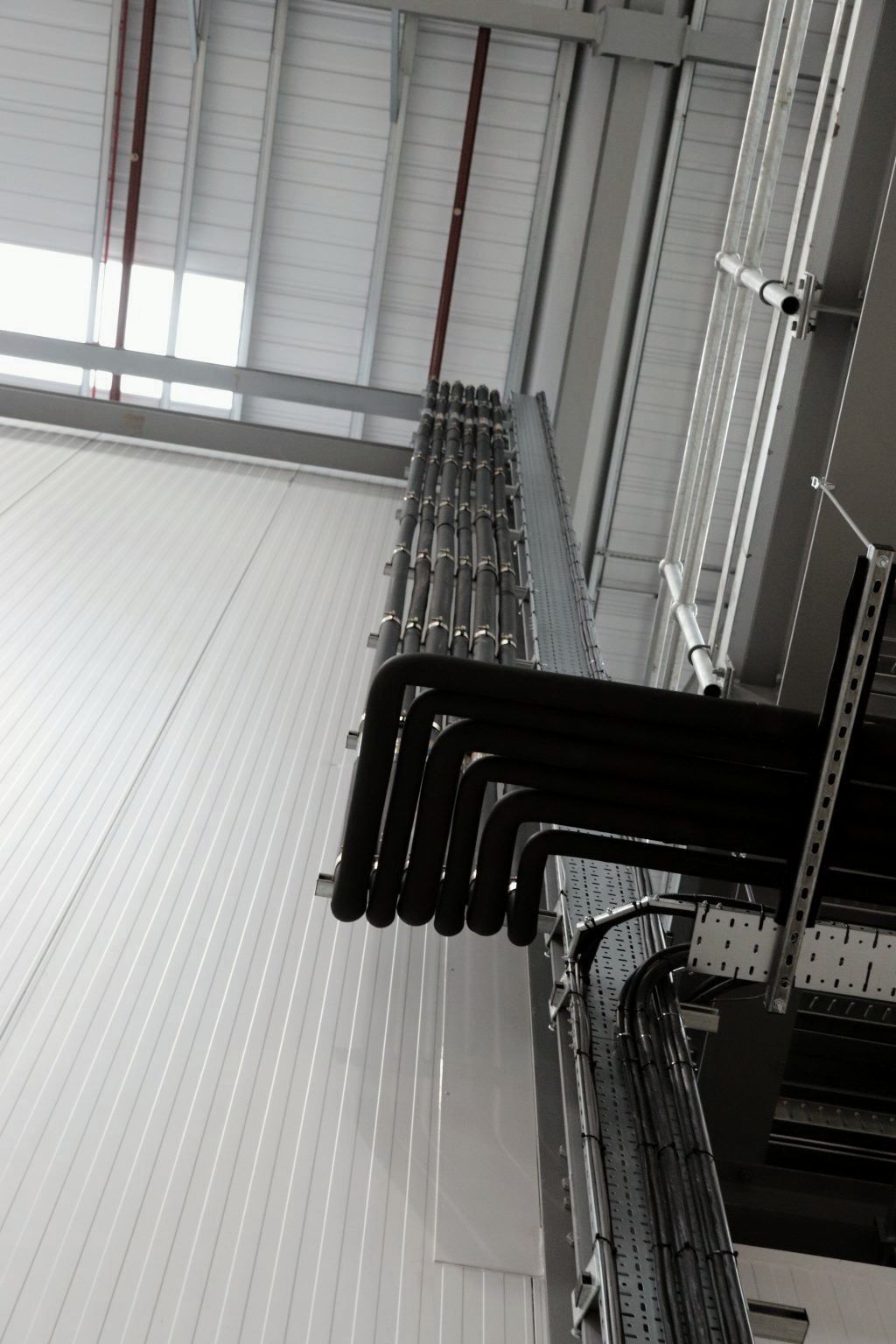
- Every pipe, cable and drain penetration sleeved and sealed on both faces
- Ceiling voids ventilated or conditioned where humidity is high
- Penetrations planned at design stage, not cut on site afterwards
Finding leaks on an existing room
A thermal imaging survey shows cold spots on the warm face where insulation has failed or air is leaking. The worst joints and penetrations are then opened up and resealed, and panels with a saturated core are replaced.
Frost on the joints? We carry out thermal surveys of existing rooms to find the leaks before they spread.
Book a free survey